Lyle Small leads a biotech startup pursuing a bold new approach: dye-drug conjugates that carry chemotherapy directly to cancer cells, with potential to cross the blood–brain barrier and treat a broad range of cancers. In this interview, he shares how a diagnostic near-infrared dye evolved into a versatile delivery platform, how it stacks up against antibody-drug conjugates, and the translational roadmap toward a late-2020s phase 1. He also reflects on the personal motivation, strategic partnerships, and the IP framework that are accelerating progress from bench to bedside.
Moe: From a diagnostic dye to a delivery platform, you describe a pivotal shift from a gold-nanoparticle heating concept to a dye-based system. What moments shifted your thinking, and how do they shape your translational framework?
I started with a diagnostic near-IR dye that glowed to guide surgeons. I then watched a TV program about gold nanoparticles heating with radiation, and I realized the real hurdle is delivery: getting anything into the tumor safely. The breakthrough wasn’t a single moment but a sequence: pairing a tumor-targeting dye with a carrier that exploits common cancer biology—overexpressed anion transport channels—so it accumulates where cancers reside. After a decade of dye optimization, we learned the dye itself could ferry chemotherapy and other payloads, not just imaging. That shift redirected us from a flashy concept to a manufacturable, IND-friendly platform with real translational potential.
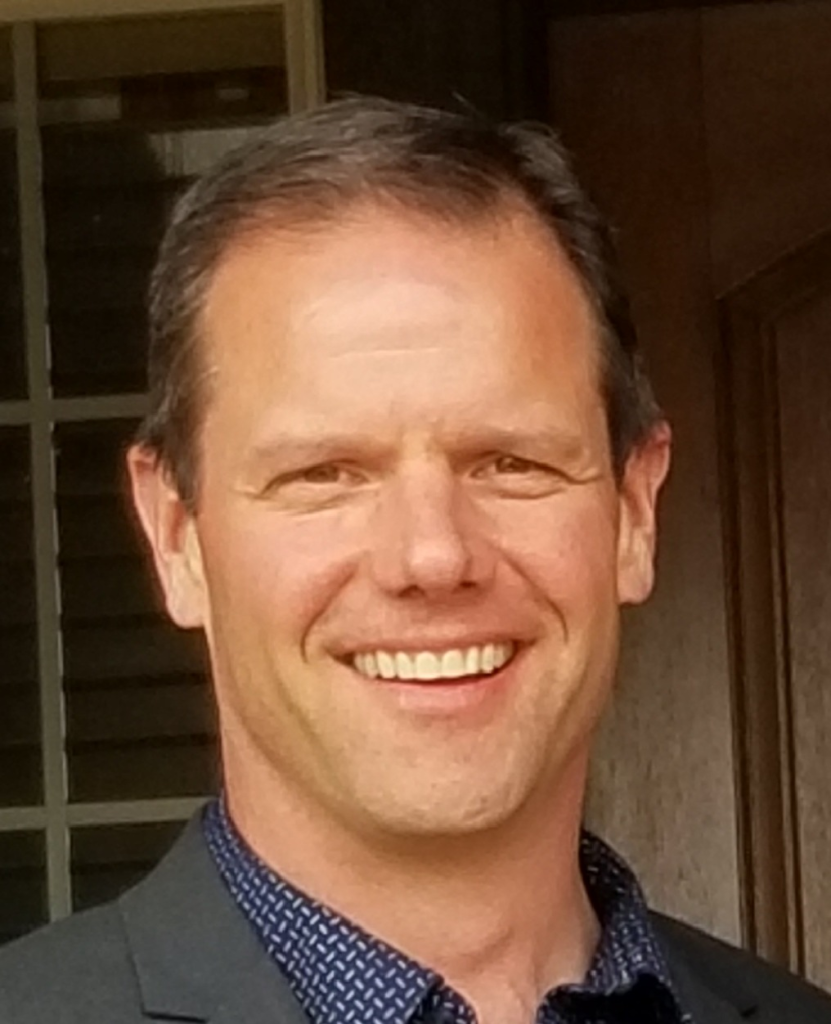
That long runway taught me to prioritize translational viability: cross-cancer applicability, a clear mechanism, and robust data that satisfy regulators. The implications are enormous: scalable chemistry means predictable manufacturing; 30+ cancer types share a common biology we exploit; and multiple payloads let us tailor therapies. The path to IND became tangible when we aligned preclinical results with a capable CRO partner and a strong IP strategy, all focused on evidence that an investigator or regulator would find credible and actionable.
Moe: You’ve framed DDCs as potentially beating ADC limitations in manufacturing, cost, and safety. Can you connect the dots with concrete benchmarks or data, including the ADC context?
ADCs transformed cancer therapy, but they bring manufacturing complexity, immune risks, and steep costs. The cost per patient for some ADCs is high, often requiring substantial reimbursement considerations and patient access barriers. DDCs uses a small, modular dye scaffold and a cleavable linker, enabling more scalable chemistry and potentially simpler manufacture. In preclinical models, I’ve observed equivalent efficacy to doxorubicin when delivered via the dye, yet with markedly reduced systemic toxicity. These data underpin a potential safety advantage and a broader therapeutic window. There are caveats; we must optimize linker cleavage and ensure stability in circulation, but the early signals point to a platform that could deliver meaningful clinical benefits with a more sustainable manufacturing footprint.
We’re not chasing a single indication; the breadth across 30+ cancers is enabled by a common cancer biology we target, not a narrow antigen. The cost advantage isn’t only about the chemistry; it’s about throughput, yield, and consistency across lots, which could translate into faster trials and easier scaling. The clinical and commercial implications are substantial: lower barriers to entry for phase 1/2 trials, faster scaling for multi-site studies, and the possibility of pairing with multiple payloads across various tumor types. This is why I’m excited about a platform approach rather than a single-agent focus—there’s potential for real impact across patients and payers.
Moe: You’ve highlighted signals across 30+ cancers. How do you interpret this breadth for prioritization, and what surprised you most about the results?
The breadth of activity is both exhilarating and humbling.Though we believe that dozens of DDCs are possible with this technology, the key is to focus our efforts on a single compound in a specific indication, that has the best chance of FDA approval. That will validate the platform. Focus is key. That said, we will not lose sight of the power of this technology to impact multiple treatment modalities. In lung and colon xenografts, delivering two different chemo payloads with the dye achieved tumor control comparable to the drugs themselves, but without the systemic toxicity typically seen with chemotherapy. That demonstrates the core premise: selective intratumor delivery reduces systemic exposure while preserving anti-tumor activity. The 30+ cancer signal suggests a mechanism driven by ubiquitous cancer biology rather than a single surface antigen, which is encouraging for broad applicability and drug development pathways.
What surprised me most is how many cancer types respond, underscoring the platform’s flexibility. The breadth forces us to map indications carefully and optimize the linker for different tumor contexts, ensuring robust intratumor release while maintaining safety. It’s not just about more signals; it’s about understanding the biology that makes those signals possible and translating that into a solid development plan. This breadth also informs our collaboration strategy with CROs and potential pharma partners who value a versatile platform that can be tested across several indications with a shared mechanism.
Moe: Linker design is central to efficacy. How do you balance stability in blood with timely release inside tumor cells, and what lessons from discrepancies have you learned?
The cleavable linker relies on cathepsin B, an enzyme overexpressed in many cancers, and a pH-triggered step inside endosomes to release the payload. The balance is delicate: if the linker is too stable, you don’t release enough drug inside the tumor; if it’s too labile, you risk premature release and systemic toxicity. In some animal studies, the conjugate concentrated the drug in tumors but achieved only equivalent efficacy to the pure drug, suggesting the cleavage step wasn’t as efficient as needed. That insight pushed us to tune the linker—adjusting sterics, linkage chemistry, and cleavability rate—to optimize release timing. Importantly, in preclinical tests we haven’t detected free chemo outside the tumor in blood or tissues, which is encouraging for safety, but it also means we must push the cleavage efficiency further to surpass the efficacy of the free drug.
We’re increasingly confident we can optimize the cleavage kinetics to improve intratumor drug delivery without sacrificing safety. The biology of the tumor microenvironment, enzyme expression, and pH dynamics all influence release, so we’re refining our linker chemistry to align with those variables. The ultimate goal is a predictable, regulator-friendly release profile that delivers more drug to the tumor with less exposure elsewhere. This is the kind of mechanistic clarity that regulators and partners want to see, and it guides the next wave of preclinical and translational studies.
Moe: Looking ahead, what is your lead indication and the path to a first-in-human trial, including MMAE and other payloads?
Doxorubicin is a prime lead payload given its broad use across cancers, and MMAE is another strong contender because it’s already validated in ADCs. My goal is to demonstrate superior intratumor delivery with reduced cardiotoxicity and systemic exposure, showing clear benefits over conventional chemotherapy. We plan to advance a lead DDCs into a phase 1 in 2027–2028, supported by IND-enabling studies that address efficacy, safety, and the unique linker mechanics we’ve engineered. Our CRO collaboration with Syngene (and Synvent) is essential for scalable preclinical testing, GLP studies, and navigating the IND process, helping us translate robust data into a clinical program.
This path isn’t just about one molecule; it’s about proving a platform that can pair with multiple payloads and indications. We’ll pursue a rigorous, regulator-aligned preclinical package that demonstrates mechanism, safety, and superiority over existing therapies in appropriate models. The plan includes carefully designed dose-escalation and PK/PD studies, along with comprehensive toxicology to address cardiovascular and off-target safety questions. If the data hold, we’ll move into a multi-indication strategy, seeking partnerships that accelerate access for patients while ensuring we meet the highest standards for clinical development.
Moe: Translational programs hinge on many moving parts. What keeps you up at night, and how are you de-risking those elements?
The biology of linker-payload release is the top concern. If the release mechanism inside cancer cells underperforms, we lose the expected benefit. We’re aggressively addressing this with iterative linker design, enzymatic sensitivity tuning, and deeper understanding of tumor microenvironments. Manufacturing scale-up and consistency across batches are next, because a scalable process underpins reliable dosing and regulatory readiness. We’ve built a cross-functional team with Syngene for development and regulatory support, and with Synvent to guide IND-enabling work. The broader challenge is ensuring our preclinical package convincingly answers FDA questions about mechanism, safety, and the platform’s superiority over standard therapies, while maintaining a strong IP moat.
Another concern is adopting a pathway that regulators will accept, including evolving guidance on preclinical data requirements and animal models. We’re listening to global trends and engaging with partners to align our strategy with both U.S. and international expectations. De-risking means rigorous data, transparent communication with regulators, and a plan that shows scalable manufacturing, robust quality control, and a credible roadmap to Phase 1 that can sustain investment and patient access.
Moe: In a field dominated by ADCs, where do you see DDCs fitting, and what could give you a first-mover advantage beyond the science?
ADCs are proven but come with manufacturing complexity, potential immune responses, and high costs. Our DDCs is a modular, scalable platform—a simple dye scaffold that can carry multiple payloads across many indications, including those not easily addressed by antibodies. The potential to cross the blood–brain barrier and to pair with radiotherapy or diagnostics broadens the addressable market, offering a unique first-mover case in several spaces. Our broad patent strategy, with hundreds of potential dye–drug constructs, creates licensing flexibility and a defensible position for pharma partners seeking to refresh off-patent drugs on a novel platform.
External validation includes Georgia State University’s dye-based imaging and delivery work and its translation through Da Zen Theranostics. GSU licensed the technology to Da Zen in 2018, and Da Zen has since advanced DZ-002 from first-in-human studies toward Phase 2. This shows a clear bridge from academic chemistry to regulated clinical development and adds credibility and reduces risk for potential partners. Having a robust IP portfolio, a clear translational path, and a partner ecosystem that can execute at scale gives us a credible first-mover advantage when the regulatory and manufacturing pathways are defined and the data convincingly demonstrate patient benefit. It’s about combining science with execution: a safer, simpler platform that can rapidly adapt to a changing oncology landscape.
Moe: Beyond chemotherapy, what additional payloads or modalities are you exploring with this dye scaffold, and how might they alter the clinical landscape?
Radiotherapy is a major frontier—attaching radioisotopes to the dye could enable targeted radiopharmaceutical therapy with the same tumor-selective uptake. The platform’s near-infrared fluorescence provides a diagnostic handle, enabling theranostics: imaging-guided therapy, real-time tracking, and patient selection based on tumor uptake. We’re also exploring combining diagnostics with therapy or attaching other payloads to expand indications and combination strategies with current regimens. Each payload expansion could unlock new clinical niches and potentially transform how we approach multi-modality cancer treatment.
The versatility also opens opportunities for companion diagnostics, enabling patient stratification and real-time monitoring of distribution and response. These capabilities can help de-risk trials by showing a clear link between tumor targeting, payload delivery, and clinical outcomes. If we can demonstrate that a single platform consistently supports multiple payloads with safe, targeted delivery, we could shorten development timelines and accelerate access to therapies that otherwise might be limited to narrow indications.
Moe: How does the patent landscape inform your collaboration strategy and milestones toward clinic, and which partnerships are most critical?
Our IP approach is broad and strategic: claims cover dye classes, cleavable linkers, and a wide range of payloads, with hundreds of potential dye–drug constructs. This breadth supports licensing, collaboration, and freedom-to-operate, while offering protection against competitive incursions. External validations—Georgia State and Da Zen—strengthen the credibility of our platform and help de-risk pharma partnerships. The key partnerships are with major CROs like Syngene and their Synvent unit for development and IND support, and with potential pharmaceutical partners for co-development or licensing. These collaborations are central to scaling preclinical work, navigating regulatory pathways, and accelerating IND timing.
The IP strategy also provides a compelling value proposition for big pharma: a modular platform to reimagine existing drugs on a safer, more targeted delivery system, with multiple payloads and indications. This ecosystem approach helps attract investment, aligns with regulatory expectations, and creates a path for co-development that can deliver meaningful patient benefits while maintaining strong patent protection across broad families of compounds. It’s about coupling rigorous science with a durable, license-friendly framework.
Moe: The journey you’ve described is as much about people as science. How would you describe your team, culture, and personal mission behind DDCs?
I pivoted from a stable coatings business to biotech because I wanted to solve a problem with real impact. Our team blends chemistry, biology, manufacturing, and regulatory expertise, plus partners who bring decades of oncology development experience. Our chief medical officer, Jeffrey Kern, MD is a thoracic oncology scientist and professor of oncology provides clinical insight that bridges preclinical data to patient-relevant questions, which I value deeply. The culture is built on relentless curiosity, disciplined risk management, and a shared drive to move beyond incremental advances toward meaningful change for patients.
The partnerships we’re forming—CROs, academia, and potential pharma collaborators—are critical to accelerating progress while safeguarding our IP and ensuring scalable manufacturing. We’ve seen the power of collaboration to de-risk complex translational programs: strong science, a clear regulatory path, and a capable team working toward a common goal. The personal mission is straightforward: translate a promising science into a real-world therapy that improves outcomes and reduces suffering for people facing cancer.
Moe: Any final reflections for the field or potential collaborators evaluating opportunities in targeted oncology?
There’s substantial room beyond antibodies in targeted cancer therapy. The dye platform’s simplicity, broad applicability, and proven tumor-selective delivery offer a compelling path to safer, more effective treatments across many cancers. The next wave will come from flexible platforms that pair diverse payloads with diagnostics, enabling smarter, faster trials and better alignment with regulatory expectations. I’m eager to collaborate with partners who share this vision and are ready to move with science, speed, and scientific rigor, to accelerate the journey from bench to bedside.

Moe Alsumidaie is Chief Editor of The Clinical Trial Vanguard. Moe holds decades of experience in the clinical trials industry. Moe also serves as Head of Research at CliniBiz and Chief Data Scientist at Annex Clinical Corporation.