Sponsored content
This article was produced in partnership with Veeva Systems.
Ray Letulle took a protocol, fed it to an agent, and had a working study build 45 minutes later. Edit checks added roughly another hour, against the weeks the industry budgets today. Letulle, Veeva’s SVP of clinical data products, offered the demo at the clinical keynote of the Veeva R&D and Quality Summit in Boston as proof of a larger claim: the bottleneck in clinical trials is no longer about building systems. It is agreeing on what goes into them.
Sites as Primary Users
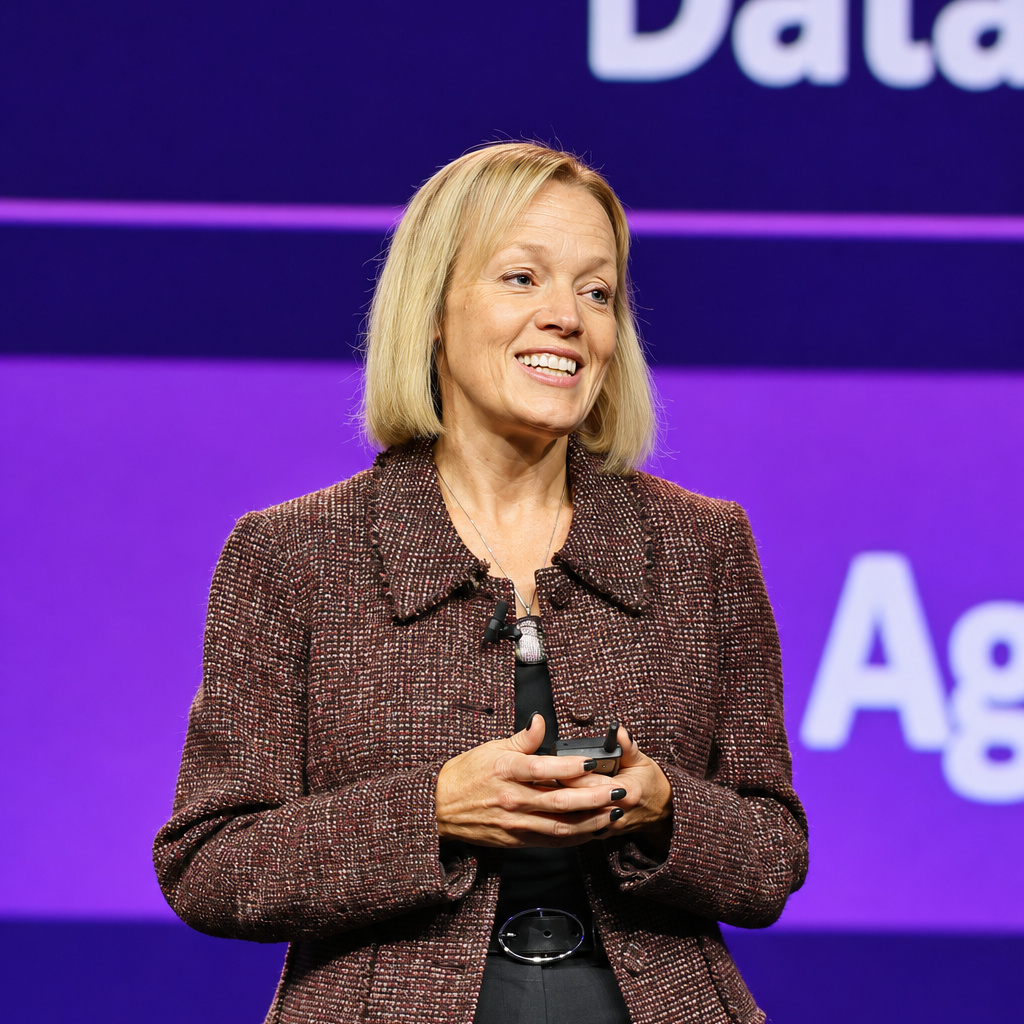
Rachel Nering, Sanofi’s global head of early development clinical operations and head of its eDevelopment, argued that what slows the industry down is no longer science but process. Roughly 90 percent of drugs entering phase one never reach approval, and while failure is part of science, Nering indicated that the delays compounding around it are self-inflicted.
The evidence she cited is uncomfortable. In the annual SCRS site survey, sites report duplicative sponsor-mandated systems, with some juggling more than 20, each with its own login and training, before they can enroll a single patient. About 75 percent of phase three studies carry at least one substantial amendment, each costing hundreds of thousands of dollars. The average phase three trial now collects some six million data points, and Nering observed that the industry is adding data points faster than it is adding insights.
Regulators are already pushing back. ICH E6(R3) and E8(R1) direct sponsors toward quality by design and away from collecting non-critical data, and Nering stressed that reducing burden does not mean lowering standards. Instead, it means pointing the bar where it belongs. Her prescription is a reversal of perspective focused on treating sites and patients as the primary users of protocols and technology, not the end users. Sanofi applied that test to itself by asking whether sites actually want another application or simply want fewer, more consistent systems.
The Source is the Source
Jim Reilly, Veeva’s president of Development Cloud, described clinical data capture as a 30-year-old process that has outlived its excuses. Sites collect data on paper or paper-on-glass, transcribe it into an EDC, often hold the same values in their EHR, and then monitors verify the transcription line by line. His answer is Veeva eSource, built around straight-through data flow from site to sponsor.
eSource as a concept is 20 years old, but past attempts were piecemeal. Veeva’s version pulls the study design directly from the sponsor’s EDC into the site’s eSource environment, so sites never design forms themselves, and connects natively into EHRs, including Epic and Cerner. In the demo, a coordinator selected blood pressure readings from the EHR rather than keying them in, and the completed visit flowed straight into the sponsor’s EDC and data quality review. No transcription, no source data verification, and far fewer queries.
Three large medical institutions, one local to Boston, are the first early adopters, and Reilly indicated that Veeva is recruiting sponsors to run the proving studies now.
Agents for the Busy Work
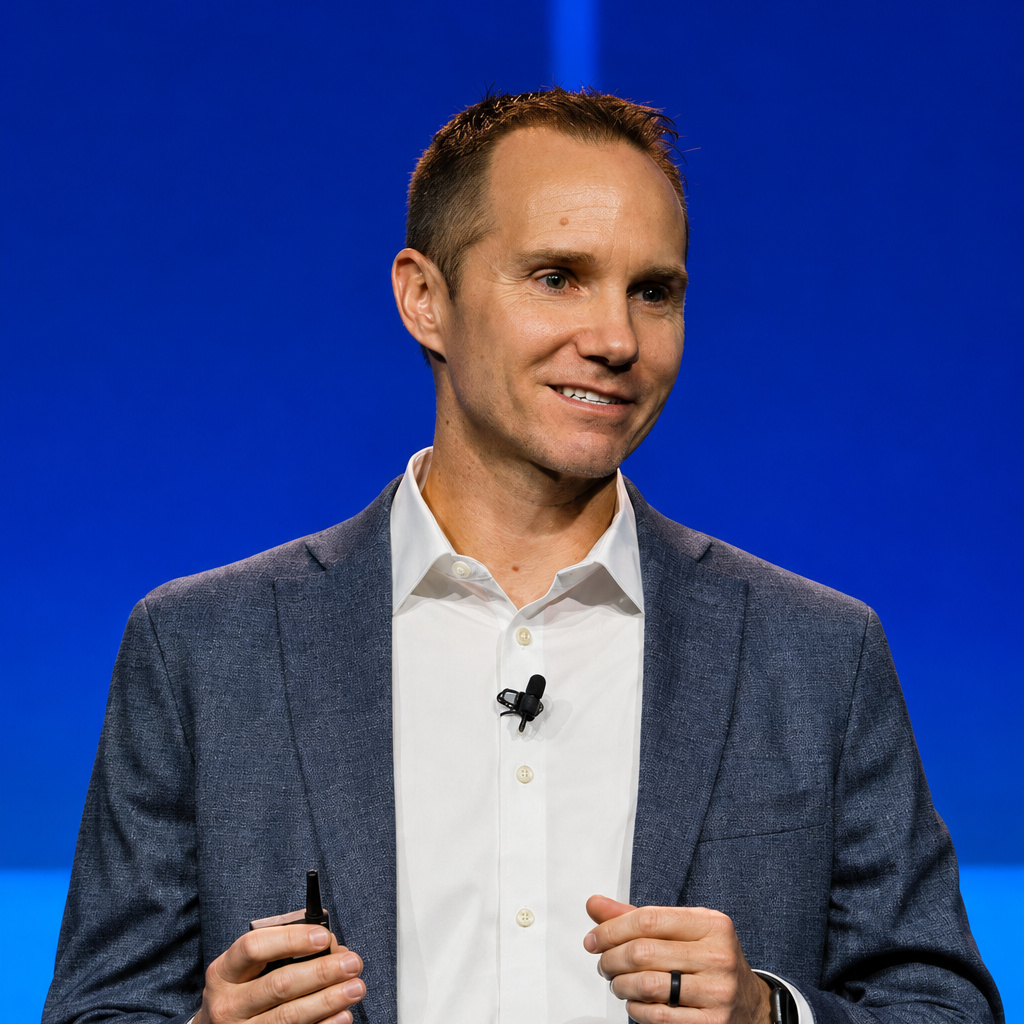
The Study Builder agent behind Letulle’s 45-minute build is deliberately conservative where it counts. It is standards-first, pulling forms, fields, and schedules from the customer’s own library rather than inventing them. It also works through USDM, with explicit quality gates where a human reviews and approves before anything is instantiated in EDC. Letulle stressed that humans lead and agents assist. The delivery model is as notable as the speed. The agent ships as a free Claude plugin downloadable from GitHub, included with Veeva EDC, after Veeva moved its entire engineering organization onto Claude Code. Early adopters start at the end of this year, with general availability expected in the first half of 2027.
Falcon, Veeva’s agentic labor that does the work for users, is further along than the main keynote suggested. The Intake agent, which classifies documents and extracts metadata, is available to early adopters now, and Reilly described a TMF agent intended to make roughly 90 percent of TMF processing autonomous. Study management and monitoring agents are under consideration, framed as stripping manual work from CRAs and study managers rather than replacing them.
Vault AI showed clinical-specific range too, querying study startup for phase II and III sites that use central IRBs, interrogating a delegation of authority log to catch untrained staff and assign training on the spot, and a coming local lab agent that extracts and loads lab reference ranges automatically.
Platform Proof
The connective tissue underneath is Veeva Study Suite, the study-by-study packaging of five core applications: eTMF, CTMS, EDC, eCOA, and RTSM, with Site Connect and DQS as add-ons. Letulle detailed the data flows that make it a platform rather than a bundle. eTMF and CTMS sync nightly, EDC pushes event-level collection statuses and protocol deviations to CTMS in real time, and randomization data flows from RTSM into EDC. General availability lands around May, available directly from Veeva or through the customer’s CRO.
Sanofi has already stress-tested the platform strategy, piloting ten Veeva applications and going from statement of work to live study in 100 working days with a minimal team and no customizations.
The adoption numbers suggest the site side of the network is forming. More than 11,000 research sites are on Veeva SiteVault, running over 10,000 studies on an average day, and the year-old site CTMS has its first 50 customers live. Veeva ID, the single login across sponsors, has passed 88,000 monthly active users, nearly half of them working across more than three sponsors. Veeva DQS crossed one million subjects across a thousand studies a month ago.
The Takeaway
Nering gave the keynote its thesis. The goal of AI is not to automate people out of clinical development but to automate the busy work. The announcements all point the same way. eSource removes transcription and source data verification, Falcon removes filing and extraction, and the Study Builder agent removes the build itself. What none of them can remove is the work that was always the hard part. Sponsors, CROs, sites, and patients agreeing upstream on what a protocol should collect and why. When a study builds in 45 minutes, requirements become the critical path. The organizations that treat sites and patients as primary users will be the ones ready for that.
This article was produced in partnership with Veeva Systems. Reporting from the Veeva R&D and Quality Summit, Boston.

Moe Alsumidaie, MBA, MSF, is founder and Chief Editor of Vanguard Publications, which publishes Clinical Trial Vanguard, Pharma Vanguard and BullScope, and Head of Research at CliniBiz. He has two decades in clinical trial operations and data science, with earlier roles at Genentech, Abbott Vascular and Stanford University Medical Center, and is a guest lecturer in clinical trial sciences at Rutgers University.