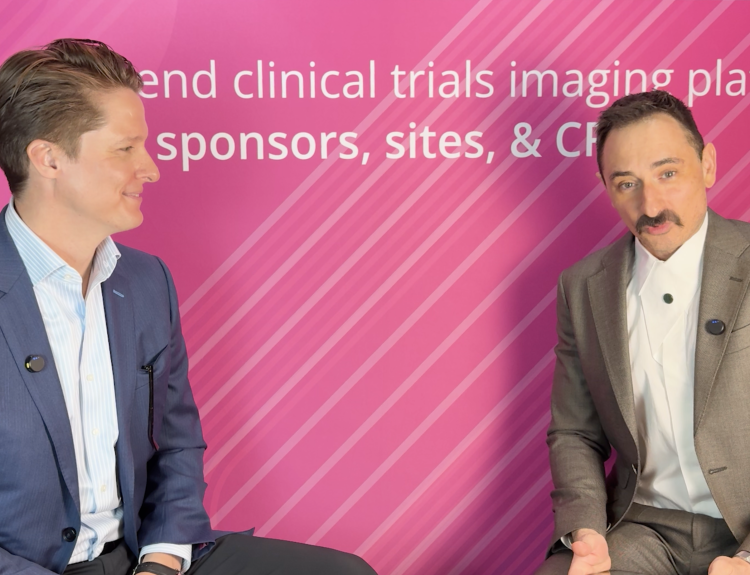

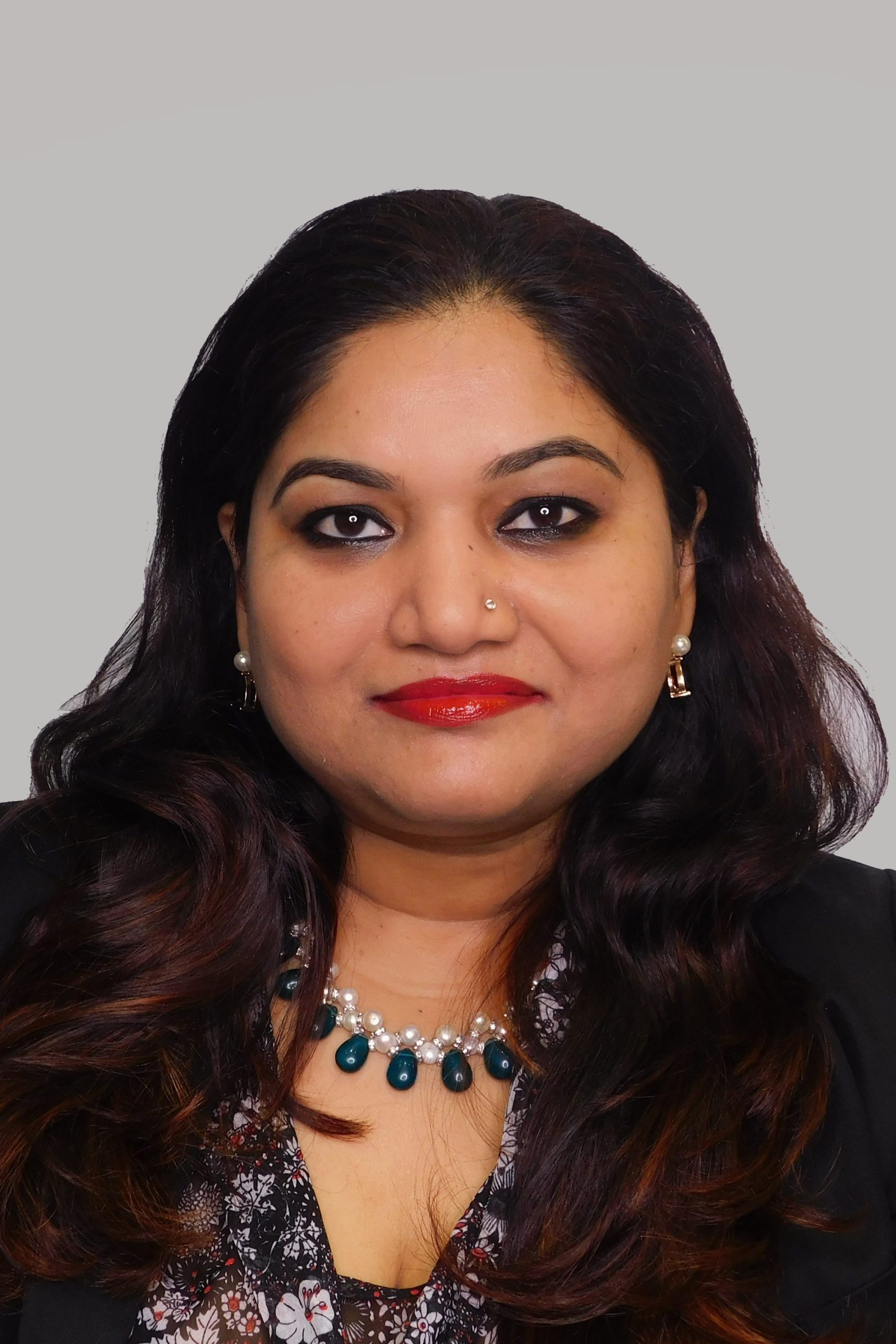
In this interview with Dr. Seema Rajsingh, Executive Medical Director and Jarem Edwards, Clinical Scientist – Early Drug Development of Pi Health, a health technology and clinical research company transforming global access to innovative medicines and clinical trials through its proprietary AI-powered technology platform, we explore the challenges and opportunities in India’s oncology trial landscape. Despite housing 20% of the global population, India conducts only 2% of global oncology trials. This interview delves into the systemic barriers, the transformative role of digital infrastructure, and the potential for emerging markets to redefine clinical research.

Moe: Your study shows India hosts only 2% of global oncology trials. What are the structural barriers causing this disparity?
Jarem Edwards: We recently published eye-opening research on this topic in the Lancet Regional Health journal. Our analysis, which spans from 2007 to 2021, highlights a significant underrepresentation of clinical trials in India, despite its substantial cancer burden. Many trials are not aligned with the nation’s disease burden or geographically with where these diseases are prevalent. This issue is not unique to India but is common in many low to middle-income countries. A major barrier is the lack of resources at community cancer centers, which are often unable to participate in trials due to a current clinical trial infrastructure that is resource-intensive, complex, and non-intuitive for trial-

naive sites, and reliant on many different technologies. India’s rural population is vast, yet community centers lack the staff, training, and digital infrastructure to conduct trials. This misalignment is a critical issue that needs addressing to ensure trials are representative and beneficial to the population.
Moe: Head and neck cancers are prevalent in India but underrepresented in trials. How can digital infrastructures help align trial priorities with disease burden?
Seema Rajsingh: The prevalence of head and neck cancers in India is largely due to tobacco use, with cultural practices like chewing tobacco contributing significantly. Unfortunately, by the time patients reach clinics, the cancer is often in advanced stages, limiting trial participation. Digital infrastructures can streamline processes and improve awareness, helping align trial priorities with actual disease burdens. However, there is a need for greater awareness and early detection to facilitate trial participation. The government has initiated awareness campaigns, but integrating digital solutions can further enhance early diagnosis and trial alignment. Technologies that promote the capture of good-quality data as part of routine clinical care can become a repository of data to help sites align trials to the disease burden of their region.
Moe: Your hospital in Hyderabad achieved significant reductions in trial duration. What role did your integrated digital platform play in this?
Seema Rajsingh: Our Front End Interoperability Capture System (FICS) integrates various systems like Clinical Trial Management Systems (CTMS), electronic data capture (EDC), and more, reducing administrative burdens for trial sites. These integrations allow for seamless data entry and management, significantly reducing trial timelines and improving efficiency. The Pi Health Cancer Hospital was a testing ground for our technologies, demonstrating the potential for digital solutions to streamline clinical trials in resource-limited settings. For example, by automating data entry from electronic health records to the EDC, we eliminated redundant administrative tasks, allowing for a 40% reduction in trial duration and an 80% faster database lock.
Moe: How do you ensure GCP compliance and standardization across India’s diverse regions?
Jarem Edwards: Many trial-naive sites face challenges due to a lack of resources and experience. Our FICS platform addresses these by integrating necessary systems into one platform, reducing manual data entry, and providing guided workflows. Additionally, FICS collects regulatory-grade structured data through form-based Electronic Case Report Forms (eCRFs) at the point of care. This ensures compliance with GCP standards and facilitates participation from diverse sites, enhancing trial standardization and readiness. With over 160 languages spoken in India, standardization is crucial. FICS provides a centralized platform that guides sites through GCP-compliant processes, ensuring consistency and quality across trials.
Moe: What factors prevent big Pharma from conducting oncology studies in India?
Jarem Edwards: Concerns about regulatory adherence and data quality have historically deterred big Pharma. However, technologies like FICS provide Sponsors real-time visibility and ensure data quality, addressing these concerns. As these technologies gain traction, we expect more Pharma companies to conduct trials in India and other previously underserved countries. The ability to provide real-time data transparency and regulatory compliance through digital platforms can alleviate these concerns, making India a more attractive destination for oncology research.
Moe: Can emerging markets leapfrog traditional research models by investing in digital infrastructure?
Seema Rajsingh: Absolutely. Emerging markets can benefit immensely from digital-native infrastructures, which offer speed, agility, and cost savings. By integrating clinical research with routine care, these markets can overcome traditional barriers, making trials more efficient and accessible. Policy and investment changes are needed to support this shift, but the potential for transformation is significant. For instance, by prioritizing digital solutions, emerging markets can bypass the inefficiencies of traditional models, accelerating drug development and improving patient outcomes.
Jarem Edwards: To achieve this, we need to simplify the current complex trial infrastructure. By integrating research with routine care, we can reduce costs and inefficiencies, enabling broader participation and faster access to treatments. This model is crucial for expanding clinical research in emerging markets. As we move towards a more integrated approach, we can expect a significant increase in trial participation and a faster path to market for new therapies.

Moe Alsumidaie is Chief Editor of The Clinical Trial Vanguard. Moe holds decades of experience in the clinical trials industry. Moe also serves as Head of Research at CliniBiz and Chief Data Scientist at Annex Clinical Corporation.