The traditional clinical trial landscape is undergoing a digital metamorphosis. For decades, the reliance on manual transcription—moving data from paper source documents to Electronic Data Capture (EDC) systems—has created a bottleneck that drains resources and increases the margin for error. As clinical trials grow in complexity, the industry is increasingly looking toward eSource as a solution to streamline data flow and alleviate site burden.
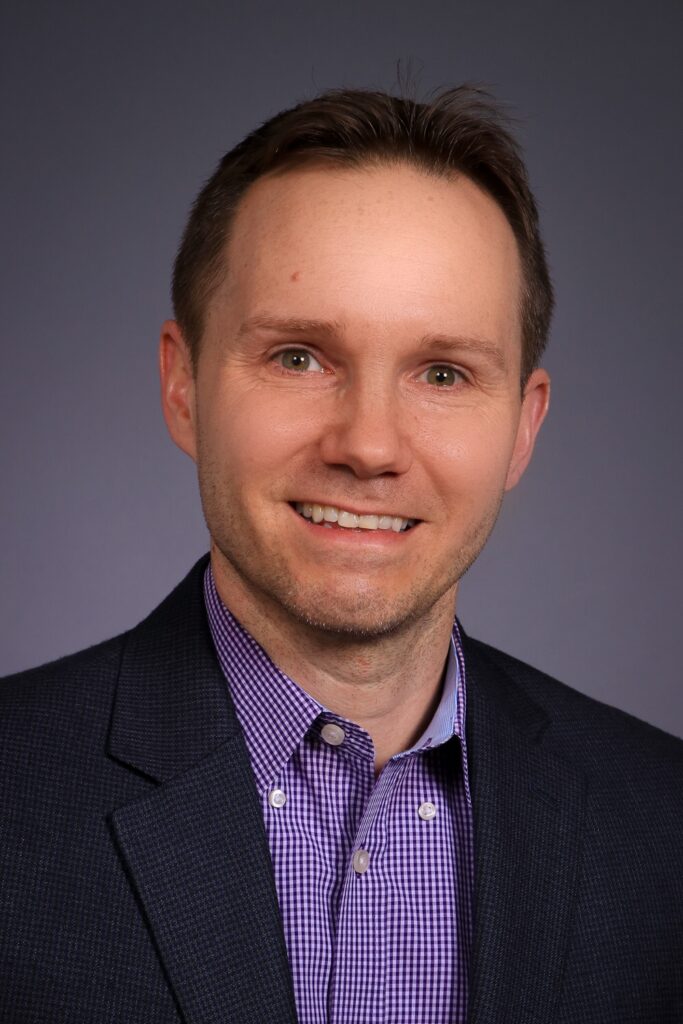
In this interview, Jim Reilly, President of Development Cloud at Veeva Systems, discusses the strategic shift toward a shared digital infrastructure. He explores how eliminating Source Data Verification (SDV) through straight-through data flow can redefine the role of Clinical Research Associates (CRAs) and return valuable time to site staff. By providing foundational tools to research sites, like Veeva eSource, the company aims to build an ecosystem that prioritizes human connection and patient care over administrative processing.
Moe: Moving from transcription-based monitoring to straight-through data flow effectively removes the manual human safety net of SDV. When you remove that traditional double check, how do you address the psychological shift for monitors and sites who are used to that security, and what does the trust but verify mindset look like in an eSource environment?
Jim Reilly: It is a net good thing to eliminate the SDV step. Monitors spend a considerable amount of time on it, but it is a manual, low-value task. You are essentially just verifying that what was captured on paper was entered correctly into an electronic system. While it’s necessary for data quality in the traditional model, it doesn’t add value to the science.
With the eSource we are bringing to market, sites capture data directly as digital source, which then flows into an EDC via an open API. This naturally increases accuracy by removing transcription errors. To provide confidence for the CRA, we use systematic quality checks. eSource can perform edit checks that don’t disrupt the site, and our clinical database, CDB, has automated checking built in. This frees the CRA to spend time building relationships and rapport with the site—addressing questions and engaging in high-level oversight rather than back-office work.
Moe: Many sites are currently grappling with operational fatigue, managing a dozen different sponsor-mandated systems. Given that this workflow involves Veeva SiteVault, how do you navigate the tension between wanting to simplify the site experience and the reality of asking them to adopt another platform?
Jim: That is exactly why we built SiteVault as the site’s own system. A sponsor does not mandate its use. While a sponsor might recommend it to help a site digitize its Investigator Site File (ISF) or capture source data, the decision remains with the site. If they see it as a value-add, they can use it across all their studies, regardless of the sponsor.
Because it features an open API, it connects with a variety of sponsor EDCs. We also addressed the financial barrier: for most research sites, SiteVault is free. We recognize that private sites often lack a technology budget. By removing that burden and providing a standardized system, we’re helping sites become more efficient, which ultimately creates a healthier ecosystem for the entire industry.
Moe: EHR-to-EDC integration has been technically possible for years, yet fragmented data dictionaries and diverse health system needs remain massive hurdles. Beyond the software, what is the most significant human or process barrier to standardizing data flow across institutions that view clinical data through very different lenses?
Jim: It is certainly a tough nut to crack and will be a labor of love. The challenge is getting large institutions to appreciate the value and simplicity we’re trying to unlock. To support this, we have staff focused on policy and government affairs.
We view this similarly to the meaningful use movement in medical records from 15 years ago. That shift from paper to digital only moved forward when it was supported by policy. Our strategy is to provide the technology while simultaneously working with the industry and regulators to move clinical trials toward the same digitized standards we see in broader healthcare.
Moe: Your ‘One Clinical’ vision moves toward a shared infrastructure, but that implies a level of industry-wide standardization that hasn’t existed before. What is the competitive cost of admission for a sponsor to join this ecosystem, and where is the resistance to giving up proprietary processes?
Jim: I’m very passionate about this. Veeva is on a mission to simplify and standardize clinical research. We don’t believe pharma companies actually want to run trials uniquely. When every sponsor has a slightly different process, the sites bear the burden. If the outcome we all want is a quickly enrolled, well-run trial with quality data, then alignment is the only logical path.
Standardization helps solve the one and done site problem where sites leave research because a trial was too difficult to manage. This transition will take five to ten years, and we view ourselves, as a Public Benefit Corporation (PBC), with that long-term horizon. Because SiteVault is free and already used by over 10,000 sites, and our clinical platform is used by hundreds of sponsors, we are building the electricity—a bidirectional flow of information that works consistently for everyone.
Moe: The 2026 Clinical Data Trend Report notes that risk-based data management is lagging behind monitoring in terms of maturity. How much of that is due to status quo bias, and how does eSource tackle the fear that automation might hide errors rather than prevent them?
Jim: The desire in data management has traditionally been to look at everything. That’s no longer sustainable or effective. We should be looking at where the real risk lies—how and when data was captured—and using technology to intelligently find anomalies.
The technology acts as a helping hand to identify risks in the data flow, making it easier for data managers to spot gaps without relying on brute-force labor. It’s similar to AI: we don’t expect it to replace human decision-making. It’s about human-in-the-loop assisted decision-making. You still need human intuition to interpret what the system finds.
Moe: If this technology succeeds in returning hours to a site’s day, what is your hope for how that reclaimed time is spent in high-pressure clinical environments?
Jim: The ultimate value is in freeing up research coordinators and investigators to spend more time with patients. Right now, they are often held back by manual paper processes or the burden of navigating a dozen different screens.
When you remove that administrative weight, the coordinator can engage with the person in front of them, making the patient feel more comfortable and building the trust necessary for them to return for the next visit. It turns the trial back into a human experience rather than a system experience. That makes the staff feel better about their work; they are caring for people, not just feeding the machine.

Moe Alsumidaie, MBA, MSF, is founder and Chief Editor of Vanguard Publications, which publishes Clinical Trial Vanguard, Pharma Vanguard and BullScope, and Head of Research at CliniBiz. He has two decades in clinical trial operations and data science, with earlier roles at Genentech, Abbott Vascular and Stanford University Medical Center, and is a guest lecturer in clinical trial sciences at Rutgers University.