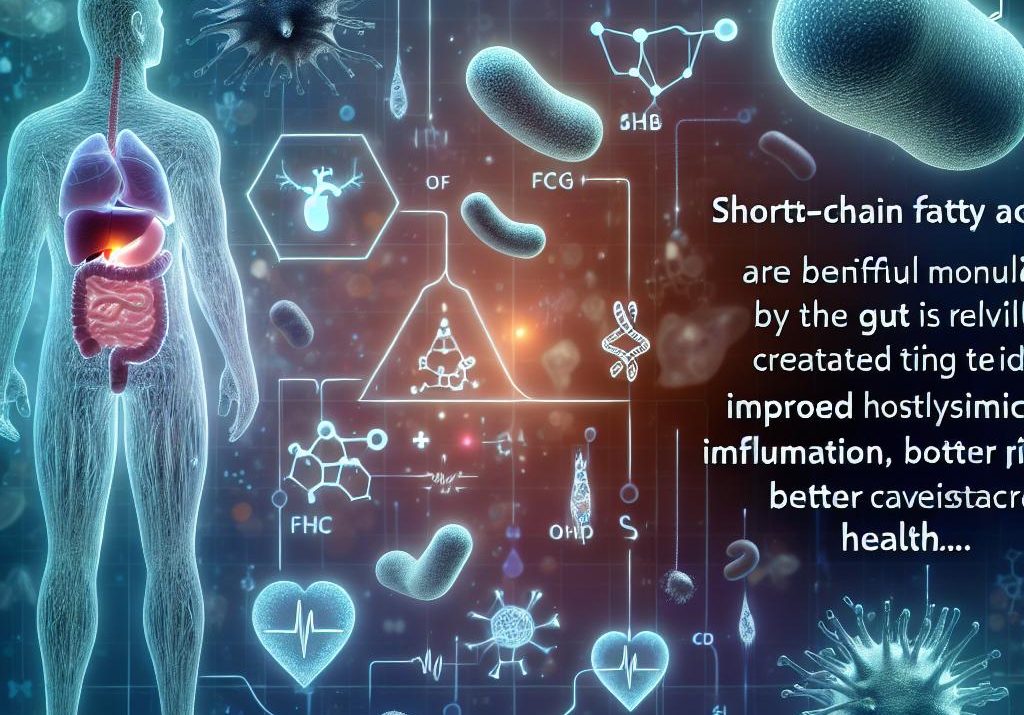

Institute for Systems Biology (ISB) researchers have developed a new method to predict individual-specific short-chain fatty acid (SCFA) production based on dietary, prebiotic, and probiotic inputs. Their approach utilizes microbial community-scale metabolic modeling (MCMM) to simulate personalized gut microbiome metabolism.
SCFAs, produced by gut bacteria, play a crucial role in host health. However, SCFA profiles vary widely among individuals. ISB researchers have overcome this challenge by building “digital twins” of gut microbiome metabolism using sequencing data and dietary intake information. These models enable the prediction of SCFA production rates for each individual.
Unlike machine learning approaches, MCMMs provide detailed information about the specific microbial species, dietary components, and metabolic pathways involved in SCFA production. Researchers measured SCFA production in test tube communities and stool samples from different individuals to validate their models. Their results showed a strong correlation between model predictions and measured production rates.
This study provides a significant advancement in predicting personalized dietary responses based on gut microbiome composition. It enables researchers to identify the factors influencing SCFA production and develop targeted interventions to modulate gut health and improve overall well-being.
By overcoming the challenges of SCFA measurement, ISB scientists have opened up new avenues for studying the gut microbiome’s role in human health and translating microbiome science into clinical practice.
Source link: http://www.businesswire.com/news/home/20240624979141/en/A-New-Path-Toward-Microbiome-Informed-Precision-Nutrition

Jon Napitupulu is Director of Media Relations at The Clinical Trial Vanguard. Jon, a computer data scientist, focuses on the latest clinical trial industry news and trends.